Most Reliable Cars

Looking for a Dependable Ride? Check Out Our List of the Most Reliable Cars

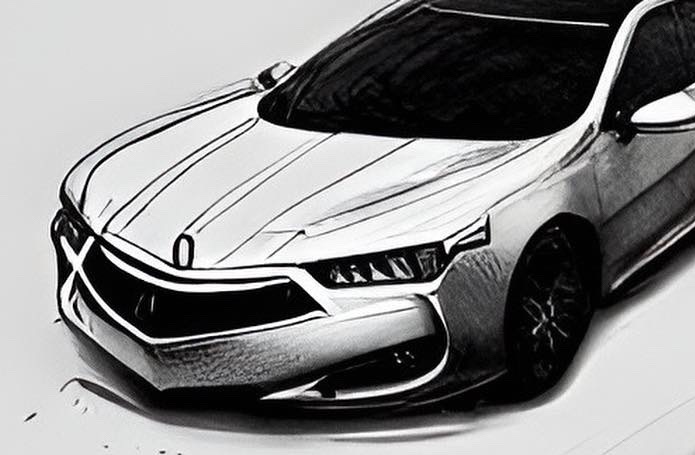
As someone who has owned a few cars over the years, I can attest to the importance of reliability. Owning a car that you can depend on is crucial, whether you’re commuting to work or taking a road trip. In this blog post, I’ll be sharing my top picks for the most reliable cars of the year, along with some information on what makes a car reliable, the benefits of owning a reliable car, and factors to consider when choosing one.

What makes a car reliable?

When we talk about a car being reliable, we’re referring to its ability to start up and run smoothly, without any unexpected breakdowns or repairs. A reliable car is one that you can count on to get you where you need to go, without any hiccups along the way. But what makes a car reliable? There are a few key factors to consider:

Quality of construction

The quality of a car’s construction is a big factor in its reliability. Cars that are built with high-quality materials and craftsmanship tend to be more reliable than those that are not. Look for cars that have a solid reputation for build quality, and avoid ones that are known to have issues with their construction.

Maintenance and upkeep

Regular maintenance and upkeep are also key to keeping a car reliable. Cars that are well-maintained and serviced on a regular basis are less likely to break down unexpectedly. Make sure to follow the manufacturer’s recommended maintenance schedule and take your car in for regular checkups to keep it running smoothly.

Design and engineering

Finally, the design and engineering of a car play a big role in its reliability. Cars that are designed with simplicity and durability in mind tend to be more reliable than those that are overly complex or have lots of bells and whistles. Look for cars that have a track record of reliability and that have been engineered to withstand the test of time.

Benefits of owning a reliable car

There are many benefits to owning a reliable car. Here are just a few:

Peace of mind

When you own a reliable car, you don’t have to worry about unexpected breakdowns or repairs. This can give you peace of mind and make your daily commute or road trip much less stressful.

Cost savings

Owning a reliable car can also save you money in the long run. You’ll spend less on repairs and maintenance, and you may even be able to get a better resale value when it’s time to sell or trade in your car.

Safety

Reliable cars are also generally safer than their less-reliable counterparts. You’re less likely to experience a breakdown or mechanical failure while driving, which can help keep you and your passengers safe on the road.

Factors to consider when choosing a reliable car

When choosing a reliable car, there are a few factors to consider:

Brand reputation

Look for cars from brands that have a reputation for reliability. Brands like Toyota, Honda, and Subaru are known for building cars that are dependable and long-lasting.

Consumer reviews

Check out consumer reviews and ratings for the cars you’re considering. Look for patterns in the reviews that might indicate reliability issues or other concerns.

Safety ratings

Make sure to check the safety ratings for any car you’re considering. A car that is reliable but not safe is not a good choice.

Price

Finally, consider the price of the car. While a more expensive car may be more reliable, there are plenty of affordable options that are also dependable.

Top 10 most reliable cars of the year

Without further ado, here are my top picks for the most reliable cars of the year:

1. Toyota Prius

The Toyota Prius has been a reliable choice for years, thanks to its hybrid powertrain and solid construction. It’s also one of the most fuel-efficient cars on the market, making it a great choice for commuters.

2. Honda Civic

The Honda Civic is another reliable choice, with a reputation for longevity and a solid safety record. It’s also affordable and comes in a variety of configurations to suit different needs.

3. Subaru Impreza

The Subaru Impreza is a compact car that’s known for its reliability, thanks to its all-wheel drive system and solid construction. It’s also a great choice for those who live in areas with inclement weather.

4. Mazda MX-5 Miata

The Mazda MX-5 Miata is a fun and reliable sports car that’s perfect for weekend drives. It’s also surprisingly affordable, making it a great choice for those who want a reliable and fun-to-drive car.

5. Lexus ES

The Lexus ES is a luxury sedan that’s known for its reliability and comfort. It’s also one of the most affordable luxury cars on the market, making it a great value for those who want a reliable and comfortable ride.

6. Toyota Corolla

The Toyota Corolla is a compact car that’s known for its reliability and affordability. It’s also one of the most popular cars on the market, thanks to its solid reputation and practicality.

7. Honda Accord

The Honda Accord is a midsize sedan that’s known for its reliability, safety, and comfort. It’s also one of the most affordable midsize sedans on the market, making it a great choice for families.

8. Subaru Outback

The Subaru Outback is a crossover SUV that’s known for its reliability, all-wheel drive system, and off-road capabilities. It’s also one of the most versatile cars on the market, with plenty of cargo space and room for passengers.

9. Toyota Camry

The Toyota Camry is a midsize sedan that’s known for its reliability, safety, and comfort. It’s also one of the most popular cars on the market, thanks to its solid reputation and practicality.

10. Kia Soul

The Kia Soul is a compact crossover SUV that’s known for its reliability, affordability, and unique styling. It’s also a great choice for those who want a reliable car with plenty of cargo space and room for passengers.

In-depth review of each car on the list

Toyota Prius

The Toyota Prius has been a reliable choice for years, thanks to its hybrid powertrain and solid construction. It’s also one of the most fuel-efficient cars on the market, making it a great choice for commuters.

The Prius is powered by a 1.8-liter four-cylinder engine and an electric motor, with a total output of 121 horsepower. It’s available with all-wheel drive, and it gets up to 58 mpg in the city and 53 mpg on the highway.

Inside, the Prius is spacious and comfortable, with plenty of room for passengers and cargo. It comes with a variety of standard features, including a 7-inch touchscreen infotainment system, Apple CarPlay and Android Auto compatibility, and a suite of advanced safety features.

Honda Civic

The Honda Civic is another reliable choice, with a reputation for longevity and a solid safety record. It’s also affordable and comes in a variety of configurations to suit different needs.

The Civic is available as a sedan, coupe, or hatchback, with a variety of engine and transmission options. It’s powered by a 2.0-liter four-cylinder engine that produces up to 158 horsepower, and it gets up to 32 mpg in the city and 42 mpg on the highway.

Inside, the Civic is spacious and comfortable, with plenty of room for passengers and cargo. It comes with a variety of standard features, including a 5-inch touchscreen infotainment system, Bluetooth connectivity, and a suite of advanced safety features.

Subaru Impreza

The Subaru Impreza is a compact car that’s known for its reliability, thanks to its all-wheel drive system and solid construction. It’s also a great choice for those who live in areas with inclement weather.

The Impreza is powered by a 2.0-liter four-cylinder engine that produces up to 152 horsepower. It’s available with all-wheel drive, and it gets up to 28 mpg in the city and 36 mpg on the highway.

Inside, the Impreza is spacious and comfortable, with plenty of room for passengers and cargo. It comes with a variety of standard features, including a 6.5-inch touchscreen infotainment system, Apple CarPlay and Android Auto compatibility, and a suite of advanced safety features.

Mazda MX-5 Miata

The Mazda MX-5 Miata is a fun and reliable sports car that’s perfect for weekend drives. It’s also surprisingly affordable, making it a great choice for those who want a reliable and fun-to-drive car.

The MX-5 Miata is powered by a 2.0-liter four-cylinder engine that produces up to 181 horsepower. It’s available with a six-speed manual or automatic transmission, and it gets up to 26 mpg in the city and 34 mpg on the highway.

Inside, the MX-5 Miata is snug but comfortable, with plenty of features to keep you entertained and safe on the road. It comes with a 7-inch touchscreen infotainment system, Bluetooth connectivity, and a suite of advanced safety features.

Lexus ES

The Lexus ES is a luxury sedan that’s known for its reliability and comfort. It’s also one of the most affordable luxury cars on the market, making it a great value for those who want a reliable and comfortable ride.

The ES is powered by a 3.5-liter V6 engine that produces up to 302 horsepower. It’s available with front-wheel drive or all-wheel drive, and it gets up to 22 mpg in the city and 33 mpg on the highway.

Inside, the ES is spacious and luxurious, with plenty of features to keep you comfortable and entertained. It comes with a 8-inch touchscreen infotainment system, Apple CarPlay and Android Auto compatibility, and a suite of advanced safety features.

Toyota Corolla

The Toyota Corolla is a compact car that’s known for its reliability and affordability. It’s also one of the most popular cars on the market, thanks to its solid reputation and practicality.

The Corolla is powered by a 1.8-liter four-cylinder engine that produces up to 139 horsepower. It’s available with front-wheel drive or all-wheel drive, and it gets up to 31 mpg in the city and 40 mpg on the highway.

Inside, the Corolla is spacious and comfortable, with plenty of room for passengers and cargo. It comes with a variety of standard features, including a 7-inch touchscreen infotainment system, Apple CarPlay and Android Auto compatibility, and a suite of advanced safety features.

Honda Accord

The Honda Accord is a midsize sedan that’s known for its reliability, safety, and comfort. It’s also one of the most affordable midsize sedans on the market, making it a great choice for families.

The Accord is powered by a 1.5-liter or 2.0-liter four-cylinder engine, depending on the trim level. It’s available with front-wheel drive or all-wheel drive, and it gets up to 30 mpg in the city and 38 mpg on the highway.

Inside, the Accord is spacious and comfortable, with plenty of room for passengers and cargo. It comes with a variety of standard features, including a 7-inch touchscreen infotainment system, Apple CarPlay and Android Auto compatibility, and a suite of advanced safety features.

Subaru Outback

The Subaru Outback is a crossover SUV that’s known for its reliability, all-wheel drive system, and off-road capabilities. It’s also one of the most versatile cars on the market, with plenty of cargo space and room for passengers.

The Outback is powered by a 2.5-liter or 2.4-liter four-cylinder engine, depending on the trim level. It comes standard with all-wheel drive, and it gets up to 26 mpg in the city and 33 mpg on the highway.

Inside, the Outback is spacious and comfortable, with plenty of features to keep you entertained and safe on the road. It comes with a 7-inch touchscreen infotainment system, Apple CarPlay and Android Auto compatibility, and a suite of advanced safety features.

Toyota Camry

The Toyota Camry is a midsize sedan that’s known for its reliability, safety, and comfort. It’s also one of the most popular cars on the market, thanks to its solid reputation and practicality.

The Camry is powered by a 2.5-liter four-cylinder engine that produces up to 203 horsepower. It’s available with front-wheel drive or all-wheel drive, and it gets up to 28 mpg in the city and 39 mpg on the highway.

Inside, the Camry is spacious and comfortable, with plenty of room for passengers and cargo. It comes with a variety of standard features, including a 7-inch touchscreen infotainment system, Apple CarPlay and Android Auto compatibility, and a suite of advanced safety features.

Kia Soul

The Kia Soul is a compact crossover SUV that’s known for its reliability, affordability, and unique styling. It’s also a great choice for those who want a reliable car with plenty of cargo space and room for passengers.

The Soul is powered by a 2.0-liter four-cylinder engine that produces up to 147 horsepower. It gets up to 27 mpg in the city and 33 mpg on the highway.

Inside, the Soul is spacious and comfortable, with plenty of features to keep you entertained and safe on the road. It comes with a 7-inch touchscreen infotainment system, Apple CarPlay and Android Auto compatibility, and a suite of advanced safety features.

Honorable mentions – other reliable cars worth considering

While the cars on my top 10 list are some of the most reliable cars on the market, there are plenty of other cars that are worth considering. Here are a few honorable mentions:

Hyundai Elantra

The Hyundai Elantra is a compact car that’s known for its reliability and affordability. It’s also available in a variety of configurations to suit different needs.

Ford Fusion

The Ford Fusion is a midsize sedan that’s known for its reliability, safety, and comfort. It’s also available with a variety of engine and transmission options.

Nissan Altima

The Nissan Altima is a midsize sedan that’s known for its reliability and affordability. It’s also available with a variety of engine and transmission options.

Created By Zach Karp

AWD, 4WD, RWD, and FWD

Understanding Drive Train: Pros and Cons of All Wheel Drive, Rear Wheel Drive, Front Wheel Drive, and Four Wheel Drive

Image Source: FreeImages‍

As an automotive enthusiast, I have always been fascinated by the different types of drive trains available. Each type has its own set of advantages and disadvantages, and choosing the right one can make a significant difference in your driving experience. In this article, I will be discussing the different types of drive trains – All Wheel Drive (AWD), Rear Wheel Drive (RWD), Front Wheel Drive (FWD), and Four Wheel Drive (4WD) – and the pros and cons of each.

Introduction to Drive Train

The drive train is the mechanism that transmits power from the engine to the wheels. It is a crucial component of any vehicle and determines how the car handles, accelerates, and performs in various conditions. Understanding the different types of drive trains is essential in making an informed decision when buying a car.

Types of Drive Train – All Wheel Drive, Rear Wheel Drive, Front Wheel Drive, and Four Wheel Drive

All Wheel Drive (AWD)

AWD is a type of drive train that delivers power to all four wheels. It is designed to provide better traction and stability in various driving conditions, such as snow, rain, or off-road. AWD systems can be either full-time or part-time. Full-time AWD systems continuously send power to all four wheels, while part-time AWD systems only send power to the rear wheels until slip is detected, and then power is distributed to all four wheels.

Pros of AWD:

  • Better traction and stability in various conditions
  • Improved handling and acceleration
  • Safer driving experience

Cons of AWD:

  • More complex and expensive
  • Lower fuel efficiency
  • Higher maintenance and repair costs

Rear Wheel Drive (RWD)

RWD is a type of drive train that sends power to the rear wheels only. It is commonly found in sports cars and luxury vehicles. RWD provides a more balanced weight distribution, which results in better handling and cornering. However, it can be challenging to drive in wet or slippery conditions.

Pros of RWD:

  • Better handling and cornering
  • Improved weight distribution
  • More fun to drive

Cons of RWD:

  • Poor traction in wet or slippery conditions
  • Limited off-road capabilities
  • Higher fuel consumption

Front Wheel Drive (FWD)

FWD is a type of drive train that sends power to the front wheels only. It is commonly found in smaller cars and compact SUVs. FWD provides better traction in wet or slippery conditions and is known for its fuel efficiency. However, it can be challenging to drive in snow or off-road conditions.

Pros of FWD:

  • Better traction in wet or slippery conditions
  • More fuel-efficient
  • Better space utilization

Cons of FWD:

  • Poor handling and cornering
  • Limited off-road capabilities
  • More stress on the front wheels

Four Wheel Drive (4WD)

4WD is a type of drive train that sends power to all four wheels. It is commonly found in off-road vehicles and trucks. 4WD provides better traction and stability in rough terrain, but it can negatively impact fuel efficiency.

Pros of 4WD:

  • Better traction and stability in rough terrain
  • Improved off-road capabilities
  • Safer driving experience

Cons of 4WD:

  • Lower fuel efficiency
  • More complex and expensive
  • Limited handling and acceleration capabilities

Which Drive Train is Best for Different Driving Conditions?

Choosing the right drive train depends on your driving needs and the conditions you’ll face. AWD is the best choice for drivers who frequently encounter snow, rain, or off-road conditions. RWD is ideal for sports cars and luxury vehicles, while FWD is perfect for smaller cars and compact SUVs. 4WD is the best choice for off-road vehicles and trucks.

Maintenance and Repair Costs for Different Drive Trains

Maintenance and repair costs vary depending on the type of drive train. AWD and 4WD systems are more complex and require more maintenance, which can increase the cost of ownership. RWD and FWD systems are less complicated and generally have lower maintenance costs.

Fuel Efficiency of Different Drive Trains

Fuel efficiency is another factor to consider when choosing a drive train. FWD is the most fuel-efficient option, followed by RWD and AWD. 4WD is the least fuel-efficient option, mainly due to its weight and power distribution.

Conclusion: Choosing the Right Drive Train for Your Needs

Choosing the right drive train is crucial in ensuring an enjoyable and safe driving experience. AWD is ideal for drivers who frequently encounter snow, rain, or off-road conditions. RWD is perfect for sports cars and luxury vehicles, while FWD is excellent for smaller cars and compact SUVs. 4WD is best for off-road vehicles and trucks. Keep in mind that each type of drive train has its own set of advantages and disadvantages, so be sure to consider your driving needs and the conditions you’ll face before making a decision.

So, which drive train is the best fit for your needs? Let us know in the comments below!

Created by: Zach Karp

Hey if you guys like this fill this survey.

https://cdndn.com/srv.html?id=5532441&pub=2763853

Increase Your Vehicle’s Potential

Unlock the Power of Your Vehicle: Tips to Increase Horsepower on Your Car

Image Source: FreeImages‍

As an automotive enthusiast, I am always on the lookout for ways to increase the performance of my car. One of the key ways to do that is by increasing the horsepower of your vehicle. In this article, we will explore various ways to increase the horsepower of your car, from upgrading the air intake system to adding a forced induction system.

Understanding horsepower and torque

Before we dive into the ways to increase horsepower, it is essential to understand what horsepower is and how it relates to torque. Horsepower is a measure of the power output of an engine, while torque is a measure of the twisting force that the engine can produce. Increasing horsepower generally means increasing the engine’s ability to produce power, while increasing torque means increasing the engine’s ability to produce rotational force.

Upgrading your air intake system

The air intake system of your vehicle is responsible for supplying the engine with the required air for combustion. Upgrading the air intake system can increase horsepower by improving the engine’s ability to breathe. A high-performance air intake system typically consists of a larger air filter, a less restrictive air intake tube, and an air intake scoop. These components allow for increased air flow, resulting in increased horsepower.

Installing a performance exhaust system

Upgrading the exhaust system of your vehicle is another way to increase horsepower. A performance exhaust system typically features larger diameter pipes, less restrictive mufflers, and performance headers. These components allow for smoother exhaust gas flow, which improves engine efficiency and power output.

Tuning your engine

Another way to increase horsepower is by tuning your engine. Engine tuning involves adjusting the engine’s electronic control unit (ECU) to optimize performance. It can include adjusting the fuel and air mixture, ignition timing, and other engine parameters. Tuning can be done manually or through specialized software. Proper tuning can result in significant horsepower gains.

Upgrading your fuel system

Upgrading the fuel system of your vehicle can also increase horsepower. A high-performance fuel system typically includes larger fuel injectors, a high-flow fuel pump, and a larger fuel rail. These components allow for increased fuel flow, resulting in increased horsepower.

Adding a forced induction system

One of the most effective ways to increase horsepower is by adding a forced induction system, such as a turbocharger or supercharger. A forced induction system compresses the air entering the engine, resulting in increased power output. Turbochargers use exhaust gases to spin a turbine, while superchargers use a belt-driven compressor. Both systems can result in significant horsepower gains but require careful installation and tuning to avoid damaging the engine.

Upgrading your engine’s cooling system

An often-overlooked way to increase horsepower is by upgrading the engine’s cooling system. High-performance engines generate a lot of heat, and insufficient cooling can lead to reduced performance and even engine damage. Upgrading the radiator, water pump, and cooling fans can improve engine cooling, resulting in increased horsepower.

Other ways to increase horsepower

Other ways to increase horsepower include upgrading the ignition system, installing a high-performance camshaft, and reducing the weight of the vehicle. These upgrades can result in significant horsepower gains but require careful installation and tuning to avoid damaging the engine.

Conclusion and final thoughts

Increasing the horsepower of your vehicle can improve its performance and give you a more enjoyable driving experience. The methods discussed in this article can result in significant horsepower gains but require careful installation and tuning to avoid damaging the engine. If you are not comfortable performing these upgrades yourself, seek the assistance of a qualified mechanic or automotive performance shop. With the right upgrades and proper tuning, you can unlock the full potential of your vehicle’s engine.

CTA

Created by: Zach Karp

The Ultimate Guide to Car Maintenance: Keep Your Vehicle Running Smoothly with These Expert Tips

The Ultimate Guide to Car Maintenance: Keep Your Vehicle Running Smoothly with These Expert Tips

Image Source: FreeImages‍

As a car owner, it is important to keep your vehicle running smoothly for both your own safety and the longevity of your car. Regular car maintenance can save you money in the long run and prevent costly repairs. In this ultimate guide to car maintenance, I will provide expert tips on how to keep your car in top shape.

Introduction to Car Maintenance

Car maintenance is the process of keeping your vehicle in good condition to prevent breakdowns and ensure safe operation. It involves regular inspections, repairs, and replacements of parts as needed. Car maintenance is crucial to the performance and lifespan of your car, and it can also save you money by avoiding expensive repairs.

Why is Car Maintenance Important?

Car maintenance is important for several reasons. First, it ensures that your car is safe to drive. Regular inspections and maintenance can prevent accidents caused by faulty brakes, worn tires, or other mechanical issues. Second, car maintenance can save you money by preventing major repairs that can be costly. It is much more cost-effective to replace a worn-out part than it is to replace an entire engine. Third, regular car maintenance can improve the fuel efficiency of your vehicle, saving you money on gas in the long run.

Car Maintenance Checklist

To keep your car in top shape, it is important to follow a car maintenance checklist. This checklist should include regular maintenance tasks that need to be performed on a schedule. Some of the most important tasks on this checklist include:

Oil Change

One of the most important maintenance tasks for any car is an oil change. The oil in your car lubricates the engine and helps it run smoothly. Over time, the oil can become dirty and lose its effectiveness. It is recommended that you change your engine oil every 3,000 to 5,000 miles, depending on the type of oil and driving conditions.

Tire Pressure

Proper tire pressure is essential for safe driving and fuel efficiency. Underinflated tires can cause the car to handle poorly and decrease fuel efficiency. Overinflated tires can be just as dangerous, causing the car to bounce and lose traction. You should check your tire pressure at least once a month and inflate them to the recommended pressure listed in your car’s owner’s manual.

Brakes

Brakes are one of the most important safety features on your car. Regular inspections can help prevent brake failure and ensure that your car stops when you need it to. Have your brakes inspected at least once a year, or more often if you notice any signs of wear or noise.

Fluid Levels

In addition to engine oil, your car has several other fluids that need to be checked regularly. These include brake fluid, transmission fluid, and coolant. Low fluid levels can cause damage to your car’s engine and other systems.

Regular Car Maintenance Tasks

Regular car maintenance tasks should be performed on a schedule to prevent breakdowns and ensure safe operation. Some of the most important regular car maintenance tasks include:

Oil Change

As mentioned earlier, an oil change is one of the most important maintenance tasks for any car. Changing your oil on a regular basis can help keep your engine running smoothly and prevent costly repairs.

Air Filter Replacement

The air filter in your car helps keep dust and debris out of the engine. Over time, the filter can become clogged and reduce engine performance. It is recommended that you replace your air filter every 12,000 to 15,000 miles.

Spark Plug Replacement

Spark plugs ignite the fuel in your car’s engine, and over time they can become worn out and less effective. Spark plugs should be replaced every 30,000 to 100,000 miles, depending on the type of spark plug and driving conditions.

Battery Maintenance

Your car’s battery is essential for starting the engine and running the electrical systems. Regular battery maintenance can help prevent a dead battery and extend its lifespan. Check the battery terminals for corrosion and clean them if necessary. Test the battery voltage and replace it if it is not holding a charge.

Belt and Hose Replacement

Belts and hoses in your car’s engine help control important systems like the air conditioning and cooling. Over time, these components can become worn out and need to be replaced. Have your belts and hoses inspected regularly and replace them as needed.

Seasonal Car Maintenance Tasks

Seasonal car maintenance tasks are important for preparing your car for different weather conditions. Some of the most important seasonal car maintenance tasks include:

Winterizing

Winter can be tough on your car, so it is important to prepare it for the colder weather. Winterizing tasks include checking the battery, adding antifreeze to the coolant, checking the tire pressure, and replacing worn-out wiper blades.

Summer Maintenance

Summer can also be tough on your car, especially in hot climates. Summer maintenance tasks include checking the air conditioning system, checking the tire pressure, and replacing worn-out wiper blades.

Common Car Problems and How to Prevent Them

Even with regular maintenance, cars can still experience problems. Some of the most common car problems include:

Flat Tires

Flat tires are a common problem for drivers, but they can be prevented by checking tire pressure regularly and avoiding potholes and rough roads.

Overheating

Overheating is often caused by low coolant levels or a malfunctioning radiator. Regular coolant checks and radiator inspections can help prevent overheating.

Dead Battery

A dead battery can be prevented by regularly testing the battery voltage and keeping the terminals clean.

Brake Problems

Brake problems can be prevented by regular brake inspections and replacements as needed.

DIY Car Maintenance

There are several car maintenance tasks that you can do at home to save money and keep your car in top shape. Some of the most common DIY car maintenance tasks include:

Oil Changes

Changing your own oil can save you money and is relatively easy to do with the right tools.

Air Filter Replacement

Replacing your own air filter is a simple task that can be done in just a few minutes.

Battery Maintenance

Cleaning battery terminals and testing the battery voltage can be done at home with a few basic tools.

Professional Car Maintenance

While there are many car maintenance tasks that can be performed at home, some tasks require the expertise of a professional mechanic. Some of the most important tasks to leave to a professional include:

Transmission Maintenance

Transmission maintenance can be complicated and requires specialized tools and expertise.

Suspension Repairs

Suspension repairs can be dangerous and require specialized equipment and knowledge.

Engine Repairs

Engine repairs are complicated and require specialized knowledge and expertise.

Car Maintenance Myths Debunked

There are many car maintenance myths that can lead to costly repairs or dangerous driving conditions. Some of the most common myths include:

Oil Changes Every 3,000 Miles

While it used to be recommended to change your oil every 3,000 miles, modern cars can often go longer between oil changes.

Premium Gasoline

Most cars do not require premium gasoline, and using it when it is not necessary can actually harm your engine.

Warm-Up Your Engine

Modern cars do not need to be warmed up before driving, and idling can actually be harmful to your engine.

Conclusion – How to Keep Your Car Running Smoothly for Years to Come

Regular car maintenance is essential for keeping your car running smoothly and preventing costly repairs. By following a maintenance checklist and performing regular inspections, you can ensure the safety and longevity of your vehicle. Whether you perform maintenance tasks at home or take your car to a professional mechanic, it is important to stay on top of your car’s maintenance needs. By doing so, you can enjoy trouble-free driving for years to come.

For maintence items to help you keep your car in good condition check these helpful tools.

For Car Jump Starter With Battery, can charge anything up to an 8.0L

Click Here: https://amzn.to/3LNJUHp

For LED Bright Lights

Click Here: https://www.amazon.com/s/?url=search-alias=aps&hidden-keywords=B0BG739XRS|B09H4J5W9V&encoding=UTF8&linkCode=ib1&tag=z3k-20&linkId=372c1b3aea28fa76826b3e3970a5b030&ref=ihub_deals-promotions_ecbb95cc

For Carbon Fiber Infused Ceramic Brake Pads

Click Here: https://amzn.to/46AZbmZ

For Car Dent Remover

Click Here: https://amzn.to/48GcvIq

For Car Cover

Click Here: https://www.amazon.com/s/?url=search-alias=aps&hidden-keywords=B0C72M71V8|B0C5SQ9BFN&encoding=UTF8&linkCode=ib1&tag=z3k-20&linkId=d4993b85c0148c1db03fac890bb719a6&ref=ihub_deals-promotions_97284a08

For Spectre Engine Cold Air Filter

Click Here: https://amzn.to/46AlXeF

For Mopar Oil Filter

Click Here: https://amzn.to/48w80QK

For ATP-205 Re Seal

Click Here: https://amzn.to/3ZFkbGW

For Honda Transmission Fluid ATF DW-1

Click Here: https://amzn.to/3Pzqd7e

For 14 Inch Wipers

Click Here: https://amzn.to/3taK9WA

For 5W-30 Motor Oil

Click Here: https://amzn.to/3RMtrY4

For JDM Cabin Air Filter

Click Here: https://amzn.to/3RNcRai

Click Above For Car Maintenance Tools

Created by: Zach Karp

“Rev Up Your Engine”

Revving Up: Discovering the Top 10 Best Cars of All Time

Image Source: Unsplash‍

As a car enthusiast, I have always been fascinated by the history and evolution of automobiles. Over the years, I have seen many cars come and go, but some have stood the test of time and are considered the best cars of all time. In this article, I will take you on a journey through the history of cars and introduce you to the top 10 best cars of all time.

Introduction to the concept of “best cars”

The concept of “best cars” is subjective and varies from person to person. Some people may consider a car to be the best because of its performance, while others may value its design or historical significance. However, there are certain criteria that can be used to determine the top 10 best cars of all time.

Criteria for selecting the top 10 best cars of all time

When selecting the top 10 best cars of all time, several factors were taken into consideration, including:

  • Historical significance
  • Design and engineering
  • Performance and handling
  • Popularity and cultural impact
  • Innovations and advancements

Based on these criteria, the following cars have been selected as the top 10 best cars of all time.

The history and evolution of cars

The history of cars dates back to the late 19th century, with the invention of the first automobile. Since then, cars have evolved significantly, from steam-powered vehicles to gasoline-powered cars and electric vehicles. The evolution of cars has been driven by advancements in technology, engineering, and design.

The first car and its impact on the industry

The first car was invented by Karl Benz in 1886. The Benz Patent-Motorwagen was a three-wheeled vehicle powered by a gasoline engine. This invention had a significant impact on the automotive industry, as it paved the way for the development of modern cars. The Benz Patent-Motorwagen was the first step towards creating a reliable and efficient mode of transportation that could be used by people all over the world.

The top 10 best cars of all time

  1. Ford Model T – The Ford Model T was introduced in 1908 and revolutionized the automotive industry. It was the first car to be mass-produced on an assembly line, making it affordable for the average person.
  2. Volkswagen Beetle – The Volkswagen Beetle was introduced in 1938 and became one of the most iconic cars of all time. It was known for its unique design and affordability.
  3. Porsche 911 – The Porsche 911 was introduced in 1963 and is considered one of the most successful sports cars of all time. It has a distinctive design and is known for its performance and handling.
  4. Chevrolet Corvette – The Chevrolet Corvette was introduced in 1953 and is one of the most iconic American cars of all time. It is known for its sleek design and performance.
  5. Ferrari 250 GTO – The Ferrari 250 GTO was introduced in 1962 and is considered one of the most valuable cars in the world. It is known for its performance and rarity.
  6. Lamborghini Miura – The Lamborghini Miura was introduced in 1966 and is considered one of the most beautiful cars ever made. It is known for its speed, handling, and design.
  7. Mercedes-Benz 300SL – The Mercedes-Benz 300SL was introduced in 1954 and is one of the most iconic cars of all time. It is known for its unique design and performance.
  8. BMW 3 Series – The BMW 3 Series was introduced in 1975 and is one of the most popular cars of all time. It is known for its performance, handling, and design.
  9. McLaren F1 – The McLaren F1 was introduced in 1992 and is considered one of the greatest supercars of all time. It is known for its speed, handling, and design.
  10. Toyota Prius – The Toyota Prius was introduced in 1997 and is one of the most popular hybrid cars of all time. It is known for its fuel efficiency and environmentally-friendly design.

Honorable mentions and notable mentions in the car industry

There are many other cars that could have made the list of the top 10 best cars of all time, but these are some honorable mentions:

  • Aston Martin DB5
  • Jaguar E-Type
  • Ford Mustang
  • Audi Quattro
  • Bugatti Veyron

Notable mentions in the car industry include:

  • Tesla
  • Google Self-Driving Car
  • Formula 1 cars

The impact of the top 10 best cars on the automotive industry

The top 10 best cars of all time have had a significant impact on the automotive industry. They have influenced the design and engineering of future cars and have set the standard for performance and handling. These cars have also had a cultural impact, becoming icons of their time and representing the spirit of innovation and progress.

Collectible cars and their value

Many of the top 10 best cars of all time are now considered collectible cars and are worth a significant amount of money. The value of these cars is based on their rarity, historical significance, and condition. Collectible cars are often purchased as investments and can appreciate in value over time.

Future of cars and how they may evolve

The future of cars is likely to be shaped by advancements in technology and environmental concerns. Electric cars and self-driving cars are becoming more popular, and there is a growing interest in sustainable transportation. Cars may become more efficient, safer, and environmentally-friendly, while still maintaining their performance and design.

Conclusion and final thoughts on the top 10 best cars of all time

The top 10 best cars of all time represent the pinnacle of automotive innovation and design. These cars have stood the test of time and continue to inspire car enthusiasts around the world. While there are many other cars that could have made the list, these cars represent the best of the best. As we look towards the future of cars, we can only imagine what new innovations and advancements will be made in the years to come.

CTA: If you’re interested in learning more about the history and evolution of cars, check out our other articles on the topic.

Created by: Zach Karp

Design a site like this with WordPress.com
Get started